
Seaweed powered.
Colour redefined.

At the frontier of colour
SeaDyes® is developing a scalable and fully traceable seaweed-based dye innovation for fashion and textiles by applying leading marine science, biotechnology and sustainable aquaculture from the beginning of the supply chain, to the blue chemistry for processing and application methods.

Every year, around 280,000 tonnes of synthetic dyes are released into the environment, with negative impacts on health, biodiversity and climate.
The IPCC's March 2023 Synthesis Report warns that without significant action, we risk exceeding a 1.5°C temperature rise above pre-industrial levels.
Textile dyeing and finishing currently contribute to 3% of global CO2 emissions, projected to rise to 10% by 2050. They are the second largest contributors to industrial wastewater pollution, impacting entire ecosystems and millions of people.
Untreated dye discharges contaminate water bodies often used for agriculture, hinder photosynthesis, and threaten food chains. Additionally, many textile dyes are toxic, mutagenic, carcinogenic and persist as pollutants.
It is time to move away from polluting, petroleum-based materials that contribute to rapid climate change.

Behind the SeaDyes® Technology
Innovative chemistry.
High performing natural dyes that are being developed to be applied on many fabric types and other base materials. Our processes offer an alternative pathway to detoxify and decarbonise the dyeing and wet processing of textiles.
Biocrafted colour.
Beautiful marine-derived colours a never seen before. Our biobased colours provide flexible, creative possibilities for textiles as an alternative to polluting, synthetic dyes, working towards circular sustainability in fashion.
Planet approved.
Offering a cleaner, low-impact alternative to dyeing, aiming to keep harmful chemicals out of the ocean. Our Biomass Sustainability Strategy is founded on three pillars: environmental, social, and economic, supported by strong governance.


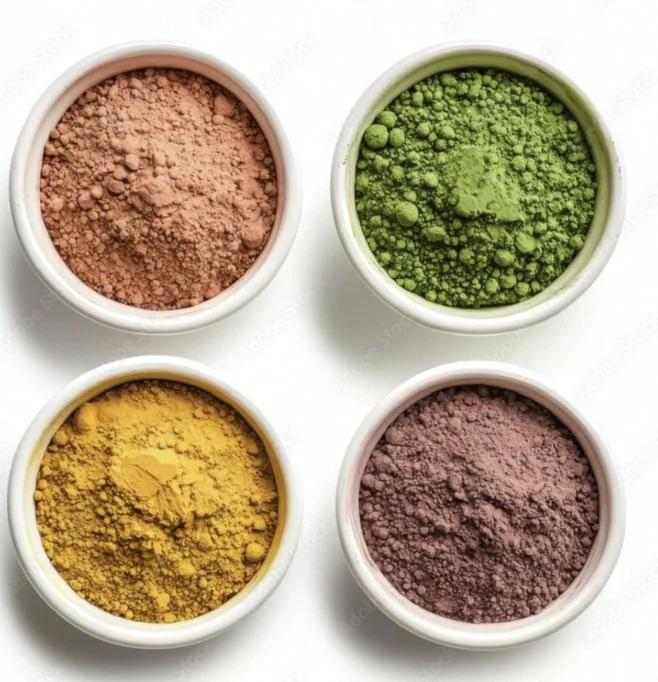
Why Seaweed?
Seaweed is a fantastic renewable resource. It stores carbon, oxygenates the planet, provides habitat and cleans the water. It can be farmed and only requires seawater and light. It doesn't compete with food crops for arable land.

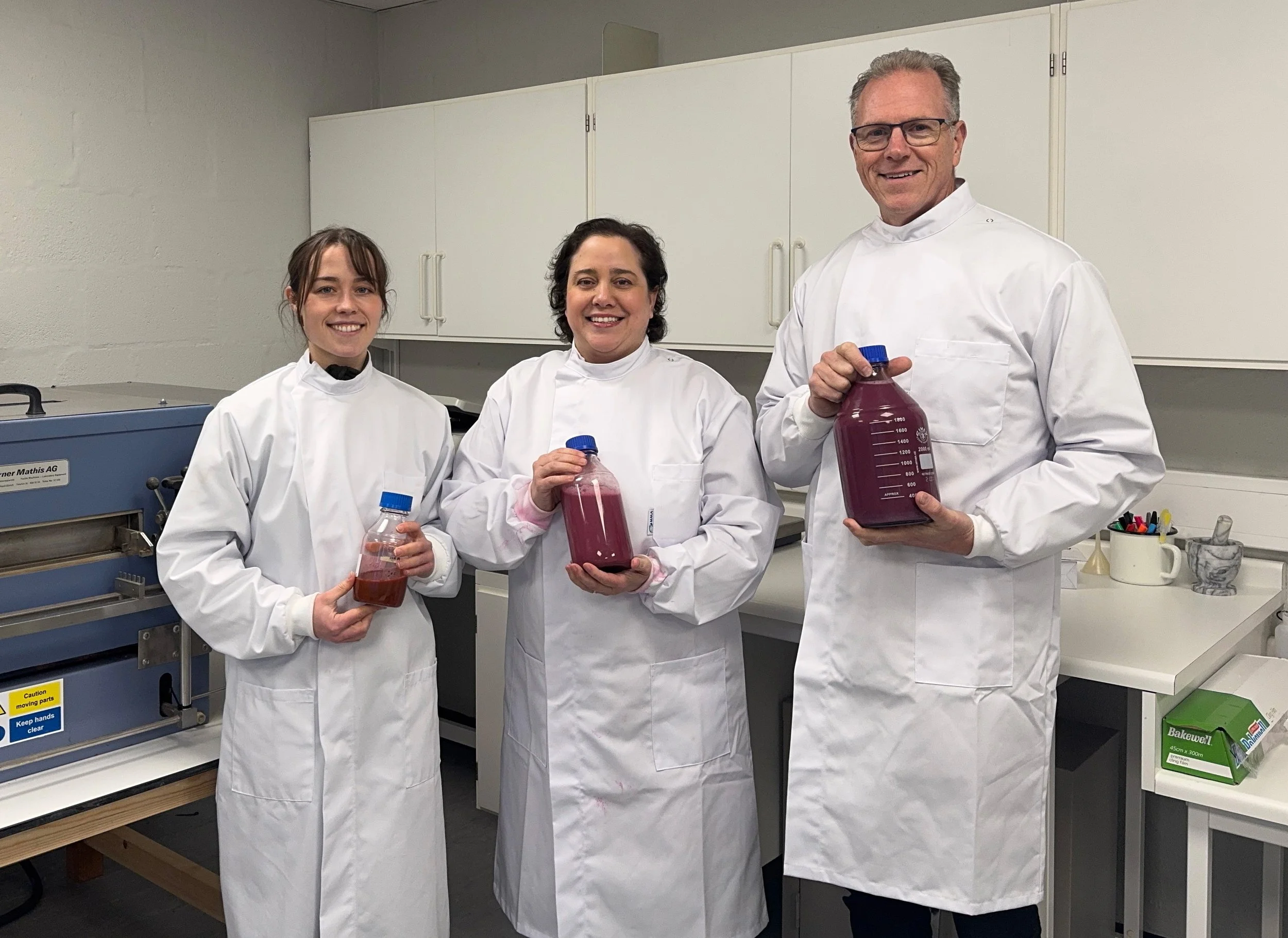
In the News
Innovative seaweed dye startup based at The James Hutton Institute enters Company Creation phase of spinout programme, securing £200,000 in funding.
Meet the Trailblazers
SeaDyes is also supported by





If you would like to partner or collaborate with us
